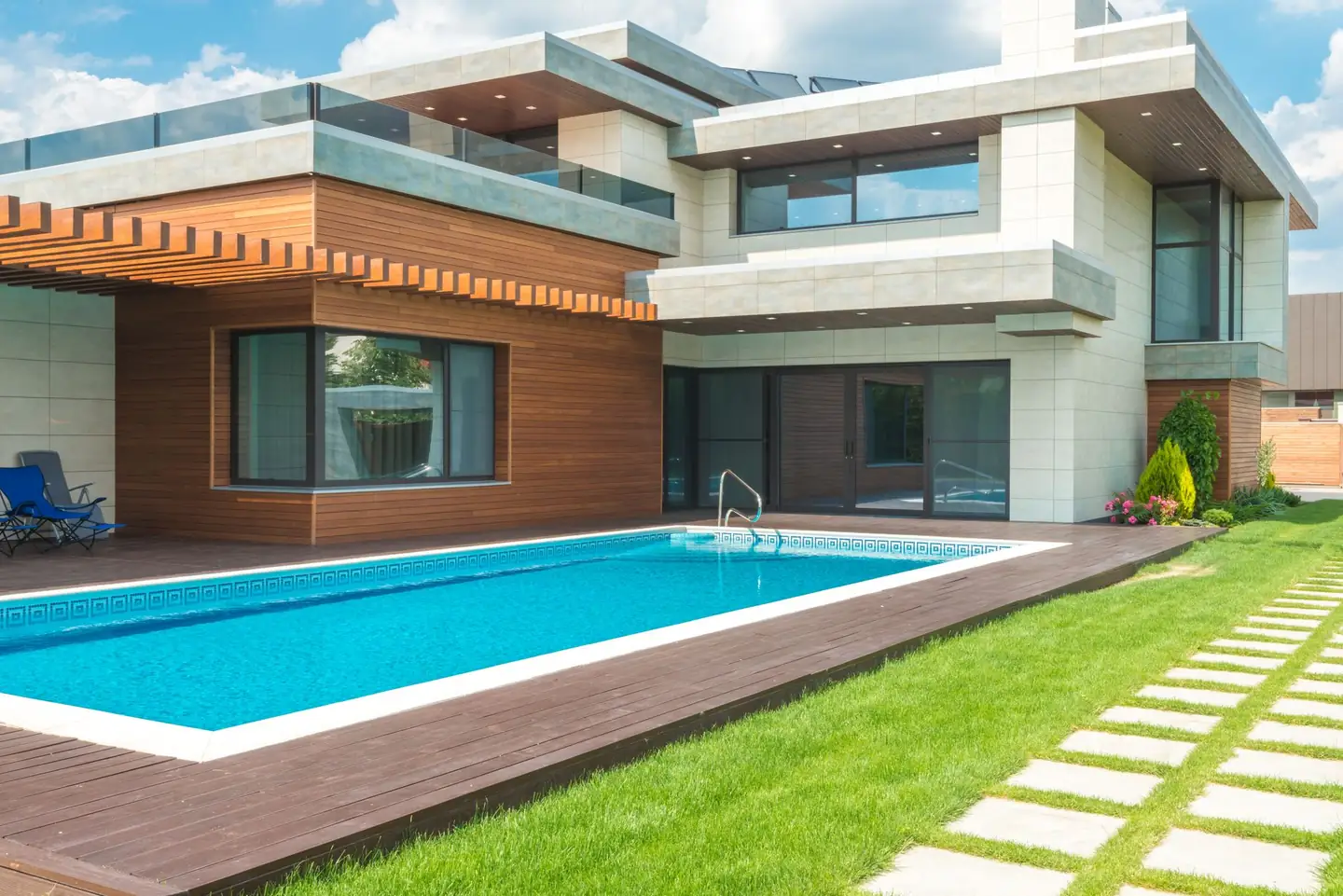
Building New Pools Throughout Eurobodalla
Eurobodalla spans a broad range of suburbs and property types across Capital Region & South Coast, New South Wales, and pool projects in the area are equally varied. Inner and older suburbs often have compact blocks with limited access, suiting plunge or courtyard pools, while outer and newer parts of Eurobodalla tend to offer the room for larger family or entertainer pools. A pool builder working throughout the area sees all of it: rock and reactive clay, level pads and steep falls, generous side gates and access so tight a shell has to be craned over the house. That breadth of experience matters, because the right pool and the right build method depend heavily on the site. Across Eurobodalla, a local builder typically manages the full project - design, the correct approval route, excavation, the pool shell, fencing, paving and the surrounds - coordinating each trade so the job keeps moving. The result, whatever the budget or pool type, is a build matched to the block and finished to suit the way New South Wales households actually use a pool through the year.
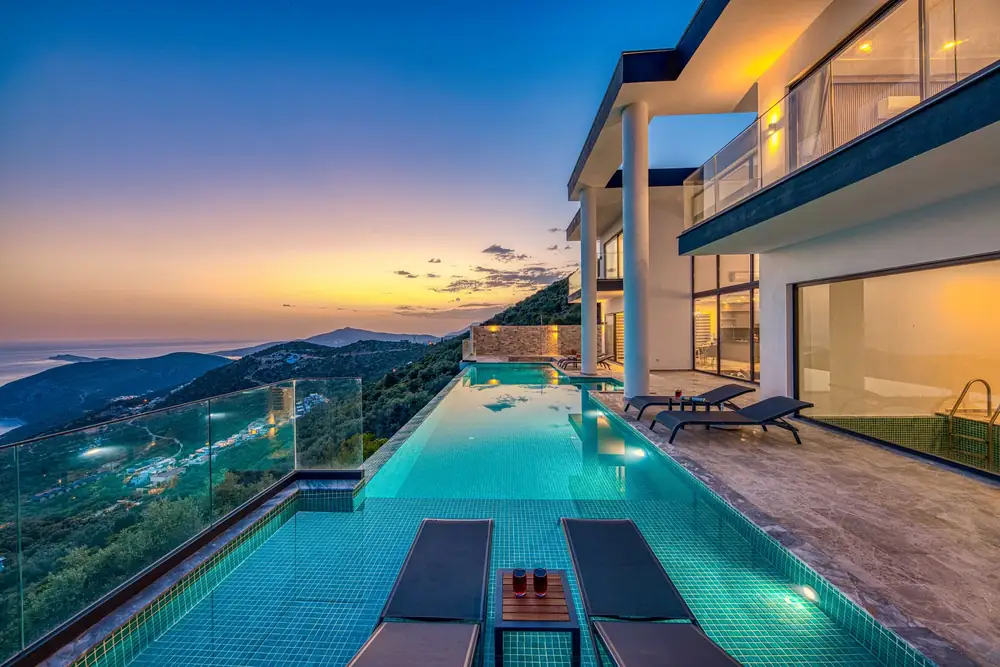
Getting a Pool Approved Across Eurobodalla
Every new pool in Eurobodalla needs approval before work starts, and in New South Wales there are two pathways. Many straightforward pools qualify as Complying Development and can be approved through a private certifier, which is generally the faster route. Pools that do not meet the complying-development criteria - often because of the block, a heritage listing or proximity to boundaries - require a Development Application lodged with Eurobodalla council, which assesses the proposal against local planning controls. Either way, the safety requirements are the same. Every pool must have a compliant child-safety barrier meeting the AS 1926.1 standard, which sets the rules for fence height, a gate that is both self-closing and self-latching, and a non-climbable zone around the barrier. Once construction is finished, the pool must be entered on the NSW Swimming Pools Register before it can be filled and used. Understanding which pathway applies in Eurobodalla, and getting the barrier right from the outset, keeps a project on schedule and avoids problems at final inspection.
Choosing a Pool Builder Across Eurobodalla
Comparing pool builders across Eurobodalla comes down to a few practical checks that separate a dependable operator from a risky one. Start with the licence: in New South Wales, residential pool construction must be carried out under a current building licence, which is straightforward to confirm. Then look at insurance - adequate public liability cover, plus home building compensation cover where the job value triggers it. The quote itself tells you a great deal. A detailed, fixed-price scope that itemises the shell, the equipment, fencing, paving and any allowances leaves little room for unexpected costs partway through, whereas a vague one-line figure usually does the opposite. Local references are equally telling: a builder active across Eurobodalla should be able to show completed pools in the area and describe how the projects ran. Independent reviews add useful context. It is also reasonable to expect a written construction schedule and a clear line of responsibility for the build. Together, these signs point to a builder who treats the project, and the property, with the care a pool deserves.
Pool Pricing Guide Across Eurobodalla
Budgeting for a pool in Eurobodalla starts with the pool type and the block. As a general guide for New South Wales, fibreglass is usually the more economical option, often between $35,000 and $75,000 installed, while concrete sits higher, commonly from about $55,000 to $120,000 or more, in exchange for complete design flexibility. The biggest swing factor across Eurobodalla is the site itself. Good access and level, stable ground keep excavation and craneage straightforward, whereas slope, rock, reactive clay or restricted access can add meaningfully to the cost through extra machinery time, engineering and disposal. Mature trees, retaining walls and difficult lifts are other common contributors in the area. It is important to budget beyond the pool shell as well: a compliant safety barrier, paving or decking, electrical work and landscaping are all part of a finished project. Provisional sums covering rock or uncertain ground conditions appear regularly in Eurobodalla quotes. A clear, itemised, fixed-price quote for the specific block remains the reliable way to understand the true cost of a build.
Building Pools in Capital Region & South Coast, New South Wales
The Capital Region covers the Southern Tablelands and Monaro around Goulburn, Queanbeyan, Yass and Cooma, sitting at altitude with a cool continental climate. Summers are warm and dry but evenings cool fast, and winters are genuinely cold with hard frosts and snow on the higher Monaro country. That keeps the comfortable swimming season short, broadly December to March, so heating is close to essential for a pool in the Eurobodalla area to be used across the warmer months. Soils tend towards heavy clay and decomposed granite, with shallow rock on many slopes, all of which can slow excavation and warrant a site assessment before pricing. Reactive ground means engineered footings and drainage are important. A sheltered, north-facing position that captures sun and blocks the cold wind, ideally paired with heating, gives the best return across Eurobodalla.
Suburbs we serve in Eurobodalla
Barragga Bay Pool Builders
Batehaven Pool Builders
Batemans Bay Pool Builders
Beauty Point Pool Builders
Belowra Pool Builders
Benandarah Pool Builders
Bergalia Pool Builders
Bermagui Pool Builders
Bermagui South Pool Builders
Bimbimbie Pool Builders
Bingie Pool Builders
Bodalla Pool Builders
Broulee Pool Builders
Buckenbowra Pool Builders
Cadgee Pool Builders
Catalina Pool Builders
Central Tilba Pool Builders
Coila Pool Builders
Congo Pool Builders
Corunna Pool Builders
Currowan Pool Builders
Cuttagee Pool Builders
Dalmeny Pool Builders
Denhams Beach Pool Builders
Deua River Valley Pool Builders
Dignams Creek Pool Builders
Durras North Pool Builders
East Lynne Pool Builders
Eurobodalla Pool Builders
Greendale Pool Builders
Guerilla Bay Pool Builders
Jeremadra Pool Builders
Kianga Pool Builders
Kiora Pool Builders
Long Beach Pool Builders
Maloneys Beach Pool Builders
Malua Bay Pool Builders
Meringo Pool Builders
Merricumbene Pool Builders
Mogendoura Pool Builders
Moruya Heads Pool Builders
Moruya Pool Builders
Mossy Point Pool Builders
Murrengenburg Pool Builders
Mystery Bay Pool Builders
Narooma Pool Builders
Nelligen Pool Builders
Nerrigundah Pool Builders
North Batemans Bay Pool Builders
North Narooma Pool Builders
Potato Point Pool Builders
Rosedale Pool Builders
Runnyford Pool Builders
South Durras Pool Builders
Sunshine Bay Pool Builders
Surf Beach Pool Builders
Surfside Pool Builders
Tilba Tilba Pool Builders
Tinpot Pool Builders
Tomakin Pool Builders
Turlinjah Pool Builders
Tuross Head Pool Builders
Wallaga Lake Heights Pool Builders
Wallaga Lake Pool Builders
Wamban Pool Builders
Common Pool Questions Across Eurobodalla
- How much does a new swimming pool cost in the Eurobodalla area?
- Cost depends on type, size, site access and finishes. As a guide in the Eurobodalla area, an installed fibreglass pool typically runs $35,000 to $75,000, while a custom concrete pool generally sits between $55,000 and $120,000 or more for larger designs. Rock excavation, retaining walls, premium tiling and landscaping all move the final figure on a Eurobodalla block.
- Concrete or fibreglass: which suits the Eurobodalla area better?
- Both perform well; the decision usually rests on your Eurobodalla block and goals. Concrete is the pick for a fully custom shape, feature edges or a difficult Capital Region & South Coast site, while fibreglass wins on speed, value and low upkeep. Concrete is formed and sprayed on site; fibreglass arrives as a moulded shell and installs in a fraction of the time.
- How long does it take to build a pool in the Eurobodalla area?
- A fibreglass pool can be installed in roughly one to two weeks once approvals are in place, because the shell is manufactured off site and craned in. A custom concrete pool usually takes several weeks to a few months, since it is formed, sprayed, cured and finished on site. Access and Capital Region & South Coast weather both affect the schedule on a Eurobodalla job.
- Is council approval required to build a pool in the Eurobodalla area?
- Almost every pool in New South Wales needs approval before construction, either a fast-tracked Complying Development Certificate through a registered certifier or a Development Application through Eurobodalla. The right route hinges on your Eurobodalla property and the relevant planning controls, and the paperwork is a standard part of the build process.
- How long does pool approval take in the Eurobodalla area?
- It depends on the pathway. A Complying Development Certificate through a private certifier is the faster option and is often determined within a few weeks where the design clearly meets the standards. A Development Application through Eurobodalla council generally takes longer, commonly a couple of months, as it allows for assessment and any required notification in the Eurobodalla area.
- What fencing does a pool need in the Eurobodalla area?
- All pools in the Eurobodalla area require a safety barrier built to AS 1926.1, covering fence height, a self-closing and self-latching gate and non-climbable zones. Options include frameless glass, semi-frameless glass and tubular aluminium. The barrier is inspected for compliance and the pool is recorded on the NSW Swimming Pools Register as part of finishing the job in Eurobodalla.
- What ongoing maintenance and running costs should I expect?
- Running costs in the Eurobodalla area cover electricity for the pump, chemicals, and occasional water top-ups, plus more if the pool is heated. Most owners spend a moderate amount each week. An energy-efficient pump, a saltwater or mineral system and a pool cover all bring those costs down, and fibreglass interiors generally need fewer chemicals than other finishes.
- Is a pool possible on a tight or sloping site in the Eurobodalla area?
- Small and sloping blocks are common across the Eurobodalla area and Eurobodalla, and pools are built on them regularly. A plunge pool suits a compact yard, while a sloping site may require retaining walls or an elevated, partly raised pool. Engineering for slope, side access and rock is a normal part of building on a difficult Capital Region & South Coast block.
- Pool heating: can I extend the swim season in the Eurobodalla area?
- Yes. Solar, heat-pump and gas heating each extend the swimming season for Eurobodalla pools. Solar is the most economical to run in sunny Capital Region & South Coast suburbs, heat pumps deliver reliable warmth on demand, and gas heats quickly for occasional use. Pairing any system with a pool cover holds the heat in and cuts running costs noticeably.
- What is the difference between salt, mineral and chlorine pools in the Eurobodalla area?
- All three keep a Eurobodalla pool clean; they differ in feel, cost and handling. Saltwater chlorination is popular for soft water and minimal chemical handling, mineral systems add magnesium for a silkier swim favoured by health-conscious owners, and manual chlorine remains the cheapest to set up. Salt and mineral systems can be fitted to new Eurobodalla builds or retrofitted to an existing pool.
- What does a standard pool build cover in the Eurobodalla area?
- A typical pool build in the Eurobodalla area brings together excavation, the shell, filtration and plumbing, fencing, paving and the interior, with landscaping often added. Access is the key practical factor: excavators and a concrete pump or a delivery crane need a usable path to the site. Where access is tight, the build is planned around it, and the inclusions are confirmed in writing for the Eurobodalla job.
- Do you offer a warranty on your pools?
- Yes. Pools built in the Eurobodalla area carry a structural warranty, and fibreglass shells include the manufacturer's warranty on the shell itself. The work is carried out by builders fully licensed and insured for residential construction in New South Wales, and the cover that applies to your build is set out clearly in the contract before work begins.